Saadani National Park

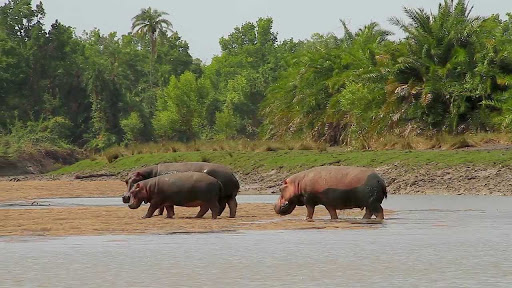
Join the camp now to visit Saadani National Park– The only place in the world where you can meet the park bordering the ocean, and enjoy both natural and cultural experiences! It is the only place where wilds interact with human in the village without any harm

image
Read More

Mount Kilimanjaro

image

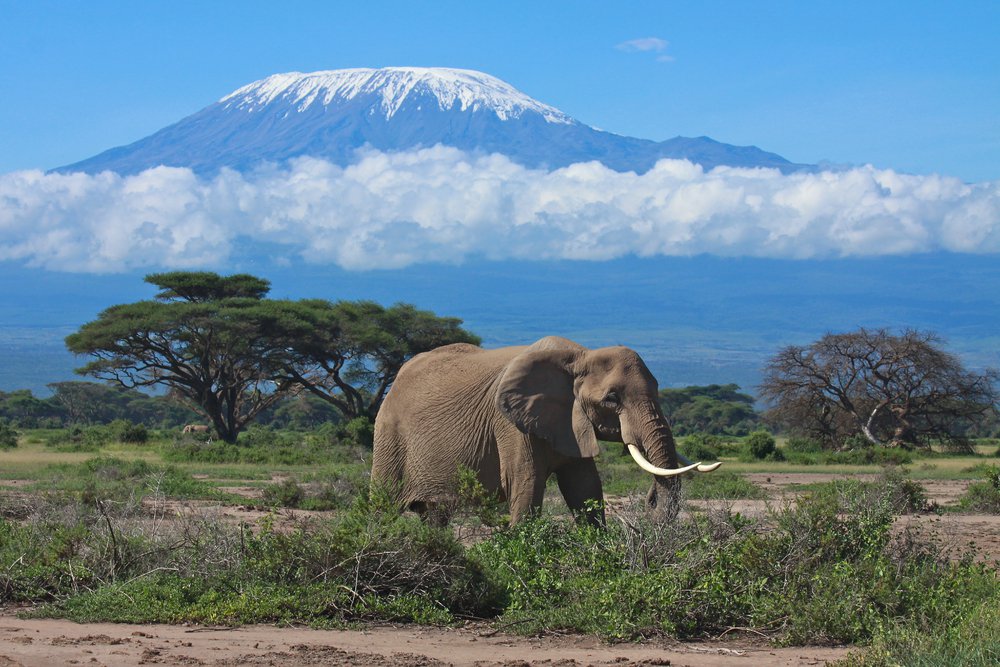
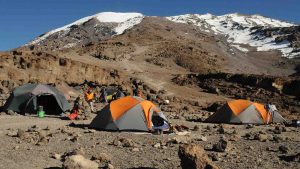
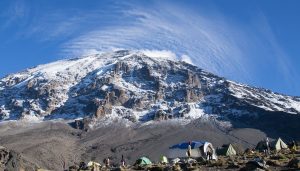
As the continent’s high peak, Mount Kilimanjaro is indisputably the king among the islands in the African sky. It is only an awesome dormant volcano, but it is a spectacular and diverse showcase of the natural world as well. Within the short distance from the outskirts to the top of the mountain all aspects of life are transformed from the lush tropical conditions to an icy lava desert, so that both hot summer and icy-cold winter conditions are everyday phenomena. On the upper slopes, where a health vegetation prevails, life has discovered its own exceptional adaptations to the extreme natural conditions. Nothing id eternal, however, not even the huge glaciers covering the top of the mountain, and Mount Kilimanjaro is expected to lose its icy cap within a short period of time, perhaps during the current decade.

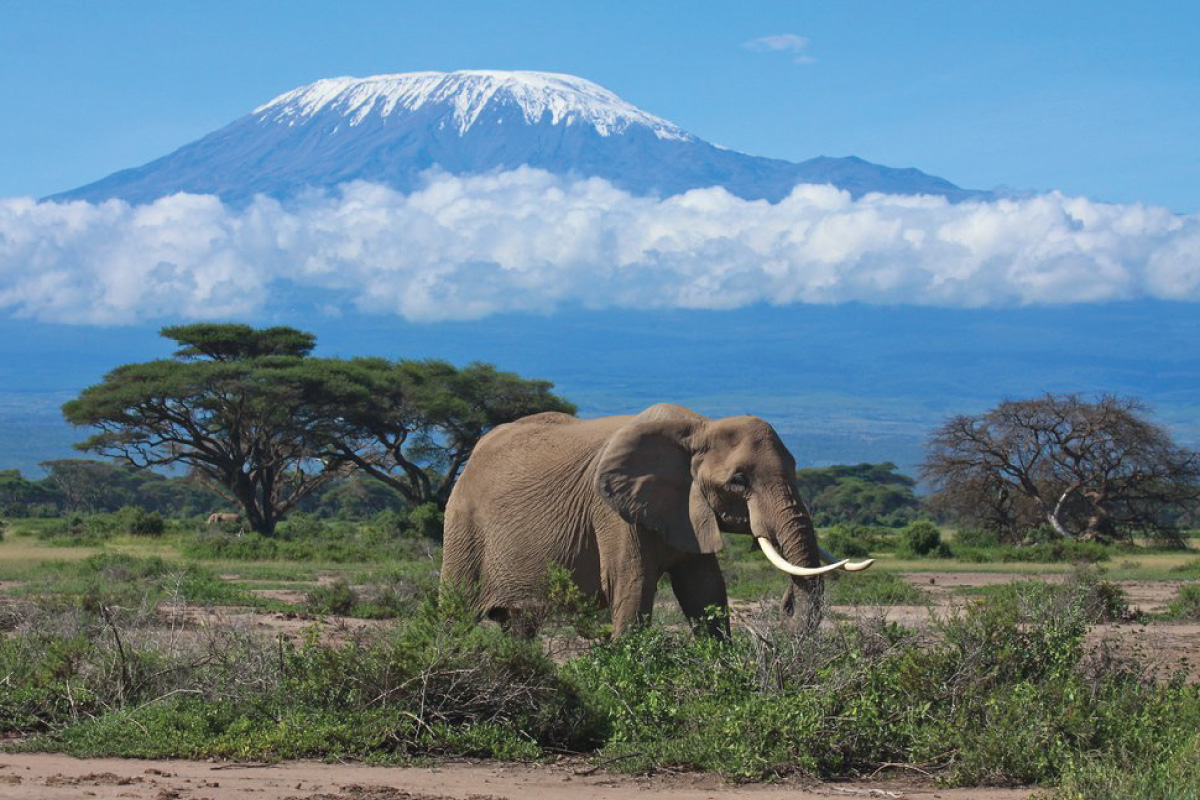
Mt Kilimanjaro is the main attraction and you’ll probably be continually gazing north trying to catch a glimpse of it. Most of the time it will be hidden behind a wall of clouds, but nearly every evening after 6pm it emerges from the mist to whet your appetite for altitude. From December to June, it’s usually visible during the morning, too, and generally topped by much more snow.

Machame Route

The Machame route is our most popular and successful route leading to the summit of Kilimanjaro. Hikers sleep in tents which are carried up the mountain by porters. The Machame route is a very scenic and beautiful route, which can be completed in 6 days, however we strongly recommend hiking the route in 7 days, allowing for more time to acclimatize. The key to the success of the Machame route is its topography, allowing hikers to climb high and sleep low, helping towards better acclimatization. There are however two drawbacks on this route:

Firstly hikers will need to pass an area just before the Shira ridge and hike the Barranco Wall, both of which are physically demanding and also present a potential problem for hikers with a fear of heights.
The second problem relates to the route’s high success rate, compounded by the fact that other routes join the Machame route from day 3 onwards – higher numbers of hikers can be therefore be encountered on this route


Marangu Route

Known as the “Coco-Cola route”, the Marangu route is the oldest and most well-established route. Some prefer this route because the accommodation is in huts, rather than camping however it is less private than having your own tent. During peak season these huts can be very overcrowded. We avoid leading climbs on this route as it’s the least scenic route and does not offer good acclimatization opportunities – therefore a low success rate.


Lemosho Route

The Lemosho Route is a very beautiful and unspoiled route and sightings of wild game in the forest section is possible. The Lemosho route is one of the quieter routes up Kilimanjaro, this advantage however disappears when the route combines with the Machame route on the 3rd day of the hike.

For those seeking a quiet route away from the crowds, the route is a superior option to the Rongai route. Unlike the Rongai the Lemosho route has the same excellent pro-acclimatization features of the Machame route, which it joins just before reaching Lava Tower.

We do not recommend hiking the Lemosho route during the rainy season as the start point of the Lemosho Route is particularly inaccessible during the wet season. Climbers should be prepared to walk the final 2-5 kilometers of the road following heavy rains. The journey time to reach the start point is quite long and joined to the possibility of not reaching the end of the road by vehicle head torches may well be needed to reach Forest Camp on day 1.

The route descents along the Mweka Route, a descent-only route.

For those seeking a quiet route away from the crowds, the route is a superior option to the Rongai route. Unlike the Rongai the Lemosho route has the same excellent pro-acclimatization features of the Machame route, which it joins just before reaching Lava Tower.

The route descents along the Mweka Route, a descent-only route.

Shira Route

The first day of this route is the Shira Route and then it meets up with the Lemosho route for the rest of the climb. Although distance is shorter than the start of the Lemosho route it is much steeper. Shira is a varied and beautiful route however Lemosho is recommended over Shira due to the high altitude of Shira’s starting point. It is possible that climbers will experience altitude related symptoms on the first day due to lack of acclimatization time.


Best Time to Climb Kilimanjaro

Kilimanjaro’s dry season, and also the busiest time to climb, is June through October. December through February is also a busy time on the mountain although there tends to be more rain and snow. Clear skies are more likely from June to October, as the cloud cover burns off after the tree line. Because Kilimanjaro is such a large mountain, it has its own weather pattern – it often rains on Kilimanjaro when it is not raining elsewhere. You should prepare for rain and have your rain gear with you at all times while on the mountain. The coldest temperature experienced at the summit is around -30C. The lower elevations can be quite hot, so pack for a wide range of temperatures.

It is possible to climb Kilimanjaro year-round, however it is best to climb when there is a lower possibility of precipitation. The dry seasons are from the beginning of December through the beginning of March, and then from late June through the end of October. These are considered to be the best times to climb in terms of weather, and correspondingly are the busiest months (high season).

image


Full moon summit dates
Summiting Mt. Kilimanjaro on a cloudless evening is without a doubt an unforgettable experience. Now imagine seeing the glaciers glitter in the moonlight of a full moon – absolutely stunning.

The majority of a Kilimanjaro climb takes place during the day and it is only the summit attempt that starts before midnight in order to reach the summit at sunrise. A summit attempt done during a full moon could make the evening climb easier, since you might not need to switch on your head lamp in the bright moonlight.

Planning a trek up Mt. Kilimanjaro to coincide with the full moon dates detailed below, could further enhance the whole experience, as the bright moonlight would provide spectacular views of Kibo from most of the overnight camps.

Read More

Mikumi National Park

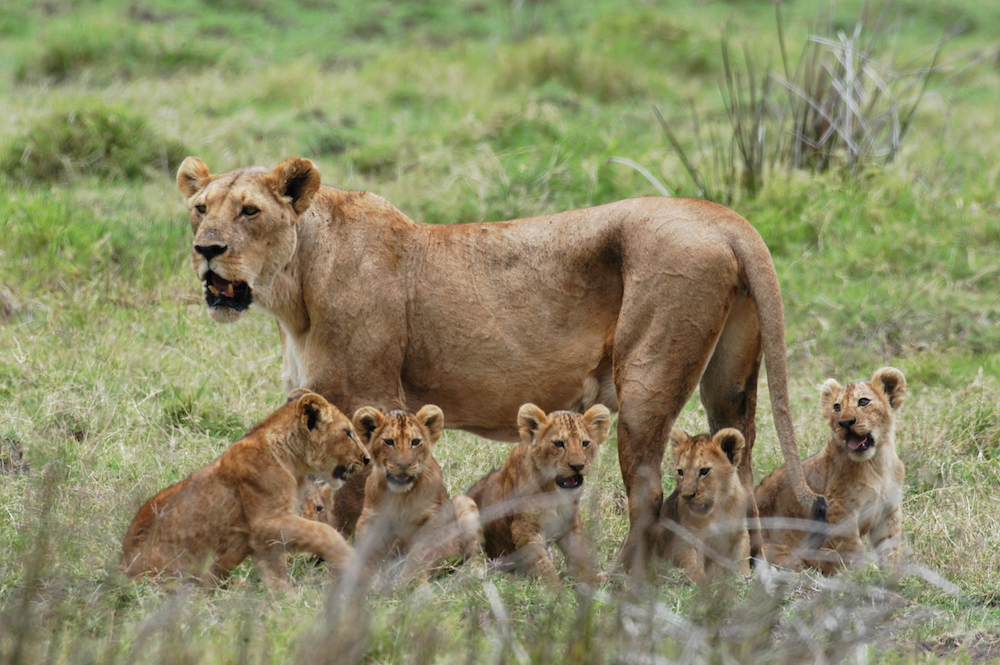
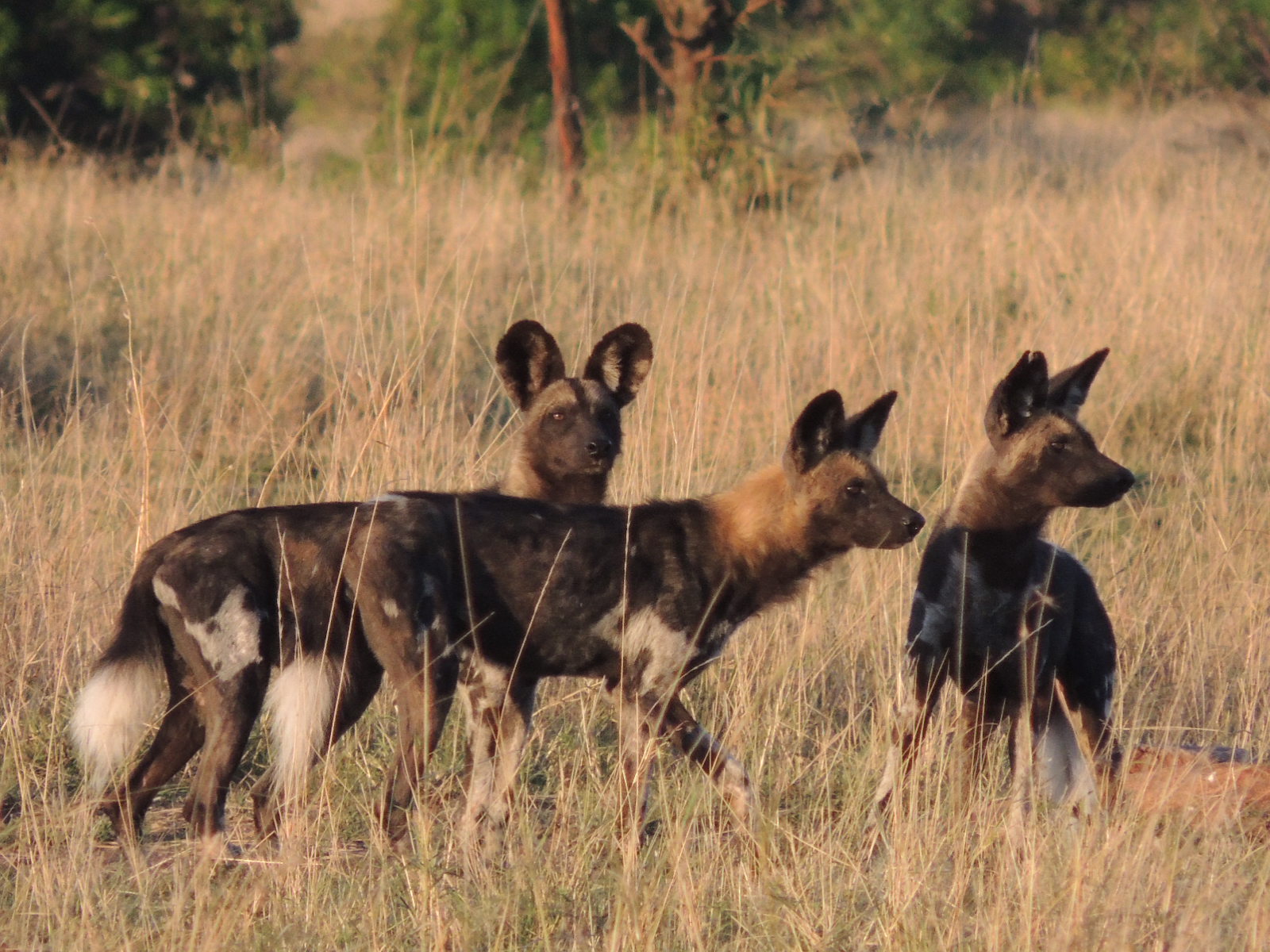
Mikumi National park is located between Lumango range and Uluguru Mountains. It is the fourth largest park in Tanzania covering an area of about 3,230 square kilometers. Wondering where you could meet all the BIG FIVE together, visit MIKUMI National Park. The park hosts giraffes, buffaloes, rhino, wildebeest, leopards, cheetah, elephants, lions, wild dogs’ zebras and different kind of bird species.

image
Read More

Ruaha National Park

image

First this park was a part of the Rungwa Hunt Reserve, being the third in extension of Tanzania. In spite of it and of being the most virgin and containing the largest elephant population of Tanzania, is one of the fewer visited because of its relative inaccessibility.

The name derives from the Ruaha River which flows along its entire border creating spectacular gorges. Is a birdwatcher’s paradise as there are 350 species of birds that are not found in northern Tanzania. The river unite to the Ulanga forming the Rufiji river whose name means “Big River”, word of the Hehe tribe . The river provide electricity to a great country area, including the capital city Dodoma.

Few kilometers ago the gate of the park we find Tungamalega village. The visit to the village, accompanied with the local guide, is an unforgettable experience. We can discover their way of life, visit the school and maybe its students delight us with songs and traditional dances. The medicines and the school material are scare and that will be very well received by their inhabitants.

Read More

Arusha National Park

Arusha National Park has a rich variety of wildlife, but visitors shouldn’t expect the same game-viewing experience they find in other national parks of Tanzania’s northern circuit. Despite the small size of the park, common animals include giraffeCape buffalozebrawarthog, the black-and-white colobus monkey, the blue monkeyflamingoelephantbushbuck and many other African animals. Leopard populations are present, but rarely seen. Birdlife in the forest is prolific, with many forest species more easily seen here than elsewhere on the tourist route.

image
Read More

Ngorongoro Conservation Area

Ngorongoro crater is well known as a natural beautiful landscape and a significant icon of tourism in the Northern zone with archaeological and paleontological localities. It is located 180 km from west of Arusha direction. Ngorongoro crater area covers about 8,288 square kilometers, reputable as a world heritage mixed site.

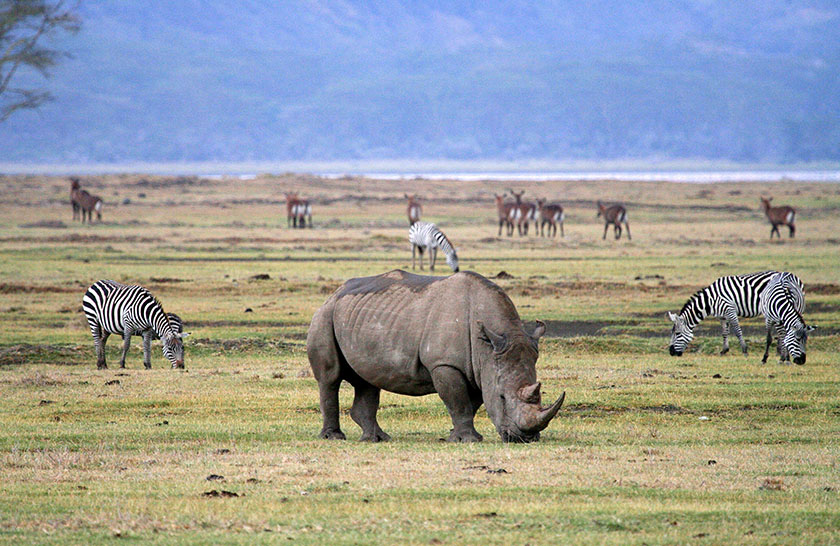
Its permanent water and green pastures support high density of wildlife and for the most part of grazing animals. Ngorongoro– The only place worldwide that people experience the nature and human culture from deep past to present. The crater is among of the natural wonders of the world; this is because of its amazing landscape grouped with significant wildlife specifically reserved black rhino.

image
Read More

Serengeti National Park

By history, Serengeti National Park is the first park in Tanzania in the year of 1951. It covers an area of 14,763 square kilometers. A park that holds international recognition as a UNESCO World Heritage site with its mass migration of its wild inhabitants. Undoubtedly, customers will be stunned with flora and fauna, predator and prey being inclusive– discovering the behavior of buffalos, elephants, giraffes, gazelles, impala, lions, cheetahs, hyenas, leopards, Ostrich, eagles and other more than 500 bird species. Wildebeest migrations being among its best iconic events ever each year.

image
Read More